-

TelcoCompare.my
InstrumentA table with a thesis: that a carrier is more than its price. Seven categories re-slice the same matrix in place, and where the answer genuinely depends on who is asking — plans, rewards, brand — a segment is laid over it; where it does not, the page says so rather than staging a personalisation it cannot perform. Every state the tool can hold is written into the URL, so a comparison arrives at the other end as the exact slice you were reading.
-
GBB Idol
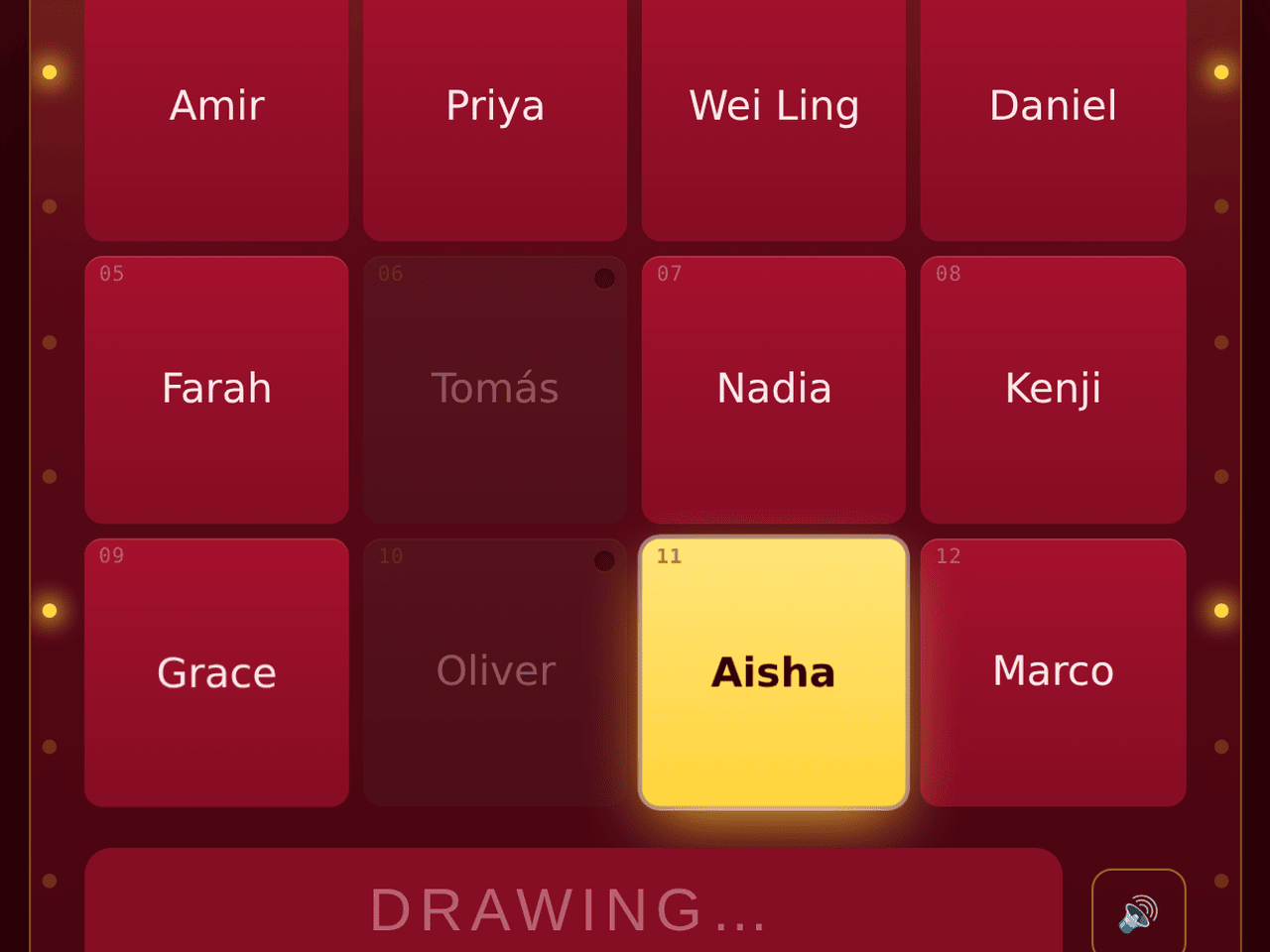
CeremonyA ritual dressed as a raffle. The grid begins its restless cycling, the room leans in, and one name is finally held in the light — an ordinary act of selection given the pause and the ceremony it deserves. The outcome is settled before the first frame; everything you watch is choreography agreeing with a decision already made.
-

Show Me The Money
ChanceAnticipation, treated as the material. Red and gold drawn from prosperity rather than casino neon — lanterns swing overhead, coins turn at the corners, and each ball rolls down into its socket instead of appearing there. Three, four or six digits, a board that keeps the last ten draws, and not a single audio file: every sound is synthesised the moment it is wanted, and the chimes climb a six-note scale, so the number arrives on a rising line.
-
Haze Watch
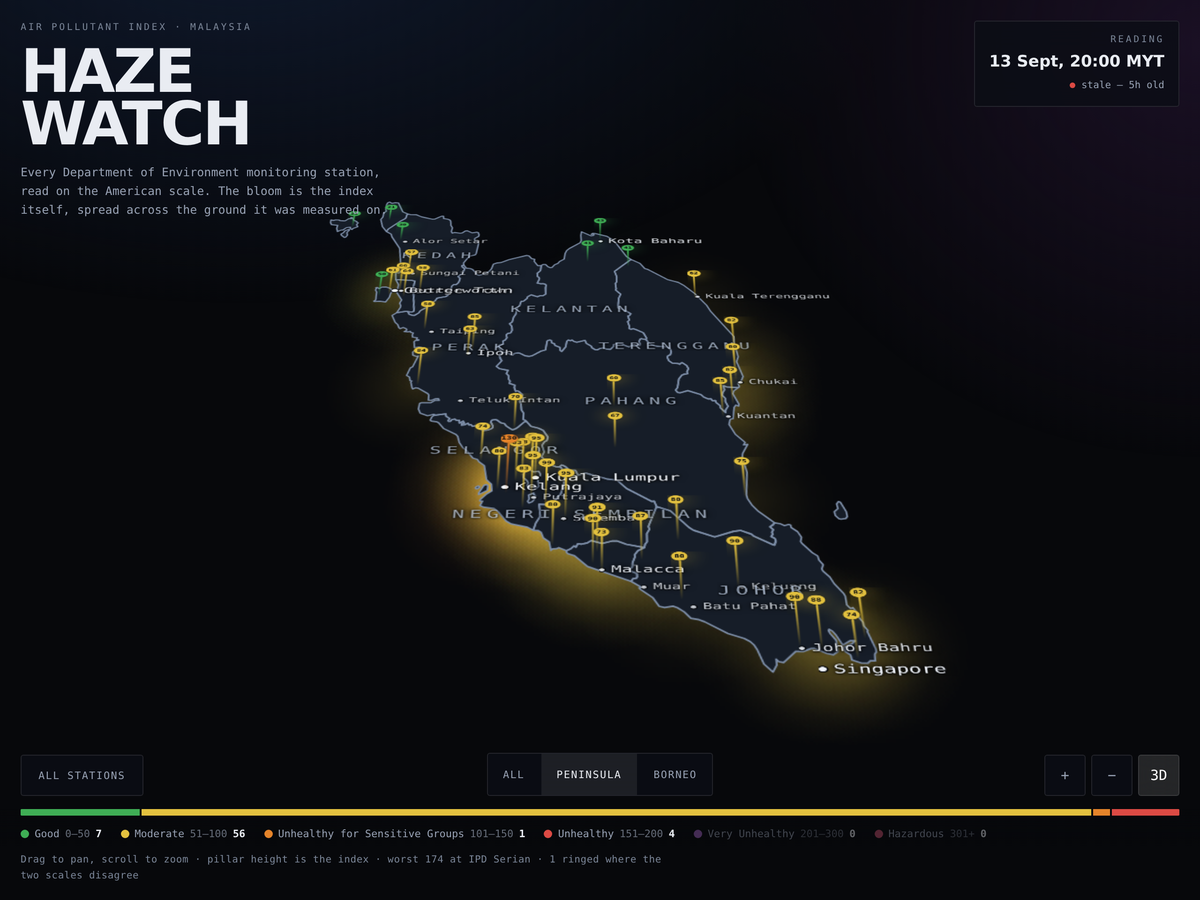
VigilSixty-eight government monitoring stations on one tilted, zoomable map, read on a scale their own department does not use. Each station stands as a pillar whose height is its reading, over a bloom of those same numbers spread across the ground they were measured on. The whole country shows only each state’s worst, so the national view is a verdict rather than a crowd; zoom in and every station returns. Every marker states its number, since the American palette asks a colourblind reader to tell orange from red.
-
The Honest Monthly
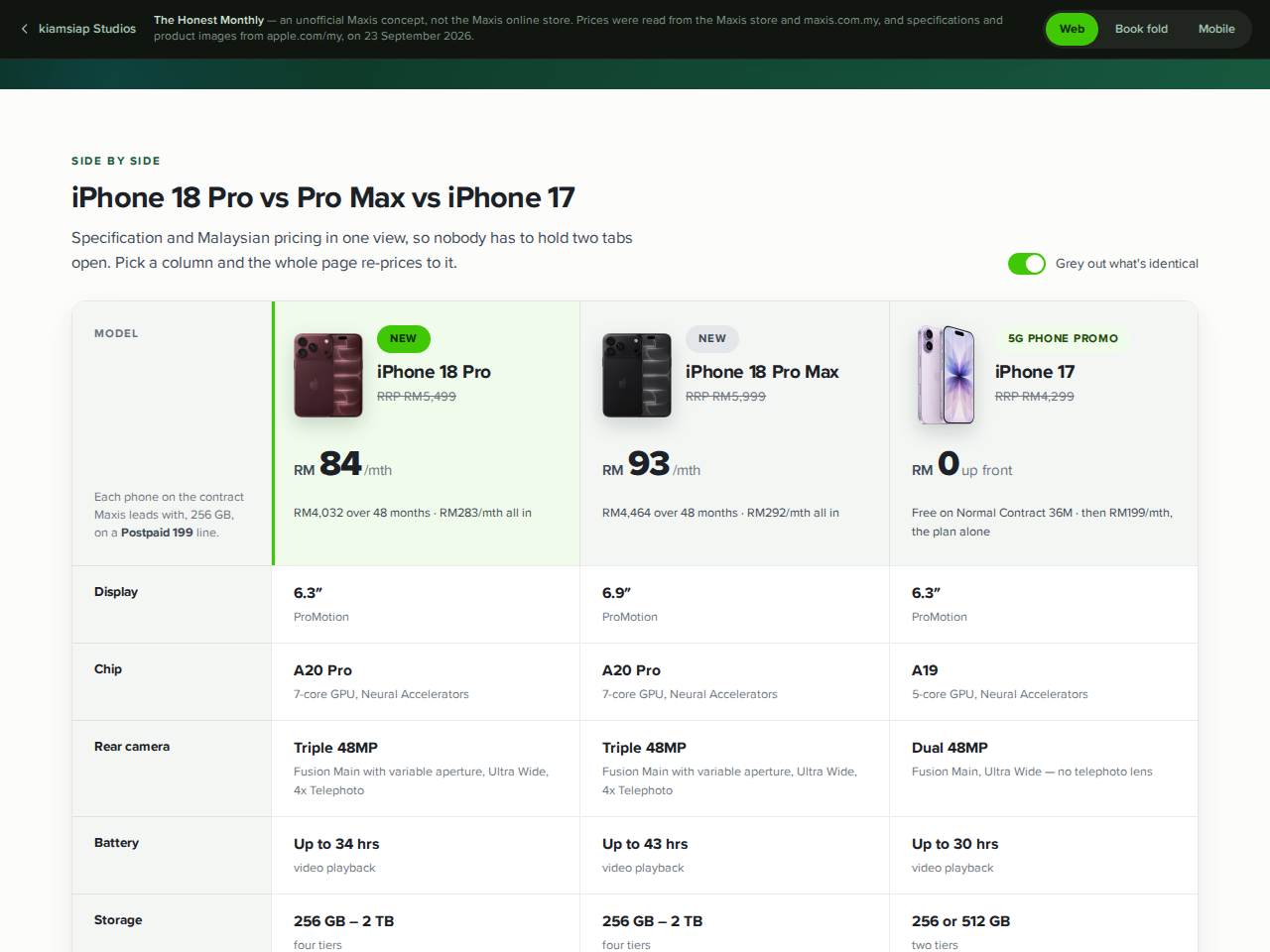
ReckoningA carrier’s device page rebuilt around the one number such pages habitually withhold — what actually leaves your account each month, line included. Three phones stand in a single comparison, photographed in every finish, each with a page of its own, specification and price in one view, and every control re-prices the whole page live: colour, storage, contract term, plan, down to the month the device stops costing anything, and every button hands the visitor to the real store. It renders as a desktop page, an unfolded book-fold screen and a phone, and the catalogue beneath it is real, read from the live Maxis store — which is why the free handsets are as startling as the flagships.
-

Racing Line
NerveA racing game played with a single gesture: you draw your car’s line around the circuit, and the speed of your finger becomes the speed of the car. Take a corner faster than the tyres allow and it slides wide or spins, and because every race is simulated before it is shown, a line sent by link or raced across six phones finishes in the same hundredth on every screen. Eight circuits and a mountain sprint, ghosts to chase, pass-and-play for six, and not a single audio file: each engine is synthesised to the speed of its car.
-
King Derby
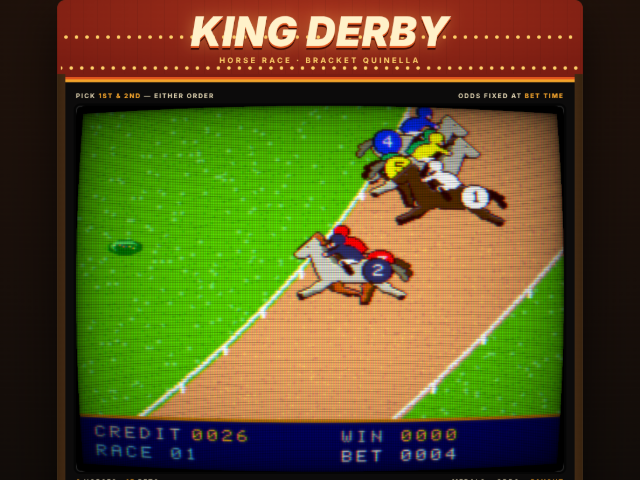
WagerA horse-race medal machine of 1981, rebuilt inside a cabinet that exists only in the browser: six horses on a half-lap dirt course, a camera that pans the turn, and fifteen lit bet keys beneath a 256×224 screen that can be viewed through a curved CRT tube. Its payout logic was read from the original machine’s program and rewritten — pools fed from every race, results steered toward what the house can afford — so a big price nobody backed comes in more often than its odds suggest. The galop from Rossini’s William Tell plays on a synthesised three-voice sound chip, and the medals are imaginary.